
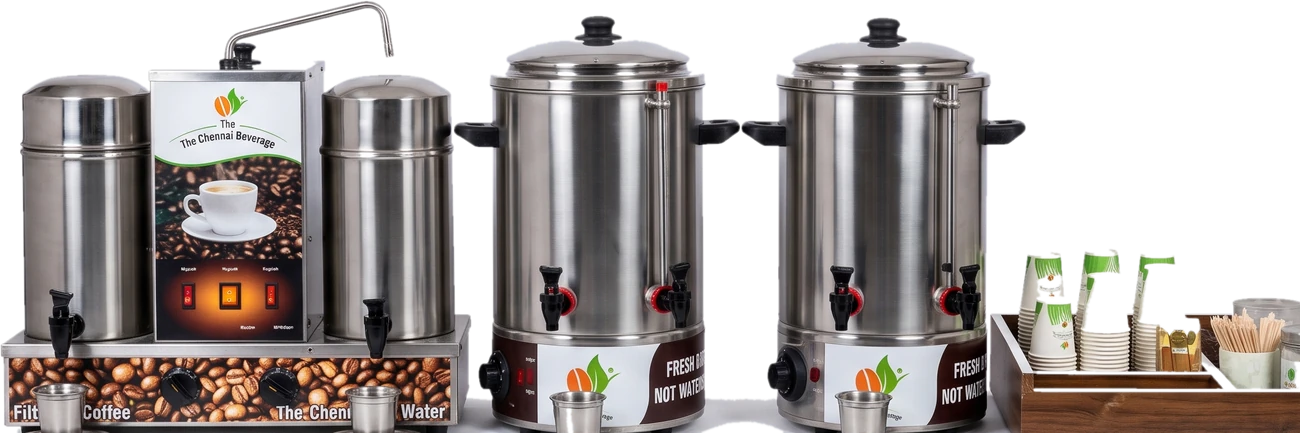
The four common models
| Model | You pay | Vendor handles | Watch out for |
|---|---|---|---|
| Purchase | Machine upfront, then consumables and servicing | Usually only supply and installation | Maintenance, repairs and replacement become your responsibility |
| Rental | Fixed monthly fee plus consumables | Machine and often servicing | Minimum term, what is covered in repairs |
| Cost-per-cup | A rate per cup dispensed | Machine, consumables and service | Minimum volumes, how cups are counted |
| All-inclusive service | One fixed monthly fee for the pantry | Machines, consumables, staff and service | Scope definition and fair-use limits |
Build one comparison sheet
To compare vendors fairly, list every cost line for each model:
- Machine cost or rental, spread over the contract term
- Coffee, tea, milk, sugar, cups and stirrers
- Servicing, spares and cleaning
- Water filtration and filter changes
- Electricity
- Staff or attendant time, if any
Then calculate two numbers for each option: total monthly cost divided by headcount and total monthly cost divided by cups dispensed. The second number only makes sense once you know your real volumes, which a trial period can show.
Which model suits which situation
When volume is stable and you have people able to maintain machines, purchase can be efficient over time. When volume is uncertain, or you want predictable monthly spend, rental, cost-per-cup or an all-inclusive service reduce upfront risk. Multi-site companies often prefer a single all-inclusive arrangement because it standardises cost and service. Pair this decision with the SLA checklist and the buying guide, or book a free demo to see the machine and the blend in your pantry first.
Frequently asked questions
Which coffee vending model is cheapest?
It depends on volume, contract term and who bears maintenance. Purchase can be efficient for stable, high volumes with in-house upkeep, while cost-per-cup suits uncertain volumes. Compare total monthly cost on one sheet.
What should a rental agreement include?
The monthly fee, minimum term, what servicing and repairs are covered, how consumables are supplied and what happens at the end of the term.
How do I estimate my cups per day?
Use headcount, shift pattern and a short trial or a count of current pantry use. A trial period gives the most reliable figure.